What we can do together
I believe that getting a project right while it’s still at the idea stage has a big impact on what it eventually becomes. That’s also where I feel I can contribute the most.
If you have an idea you’re excited about, but you’re not quite sure what it should become, how to make it happen or even where to start, we can work on it together from that early stage and figure out the best way to bring it to life.
The outcome doesn’t need to be clear from the beginning. It could become an object, a product, a special project for a brand or a physical experience. It could also turn into something we don’t have a name for yet.
I think that’s actually one of the most enjoyable parts.
I’d first want to hear what you’re trying to do. If it’s a project where I genuinely think I can be useful, we can figure out what we could do together. If it’s outside an area where I know I can add value, I’ll say so. And if I know someone who might be able to help, I’ll be happy to point you in their direction.
What I’ve done so far
I’m not trying to list everything I’ve ever done here. These are just a few recent examples that show both how I work and the range of things I work on.

Matah: Art Toys
Where it came from
I wanted my ideas in my paintings and in my head to exist beyond two dimensions. I wanted to see them as physical objects.
What I did
I started designing, 3D modelling and producing my own art toys and sculptures, while experimenting with different materials and production methods.
What it became
So far, I’ve designed more than 90 different art toys and physically produced over 40 of them; some became finished works ready for sale, while others became prototypes.
ZOID Hop & Balance
Where it came from
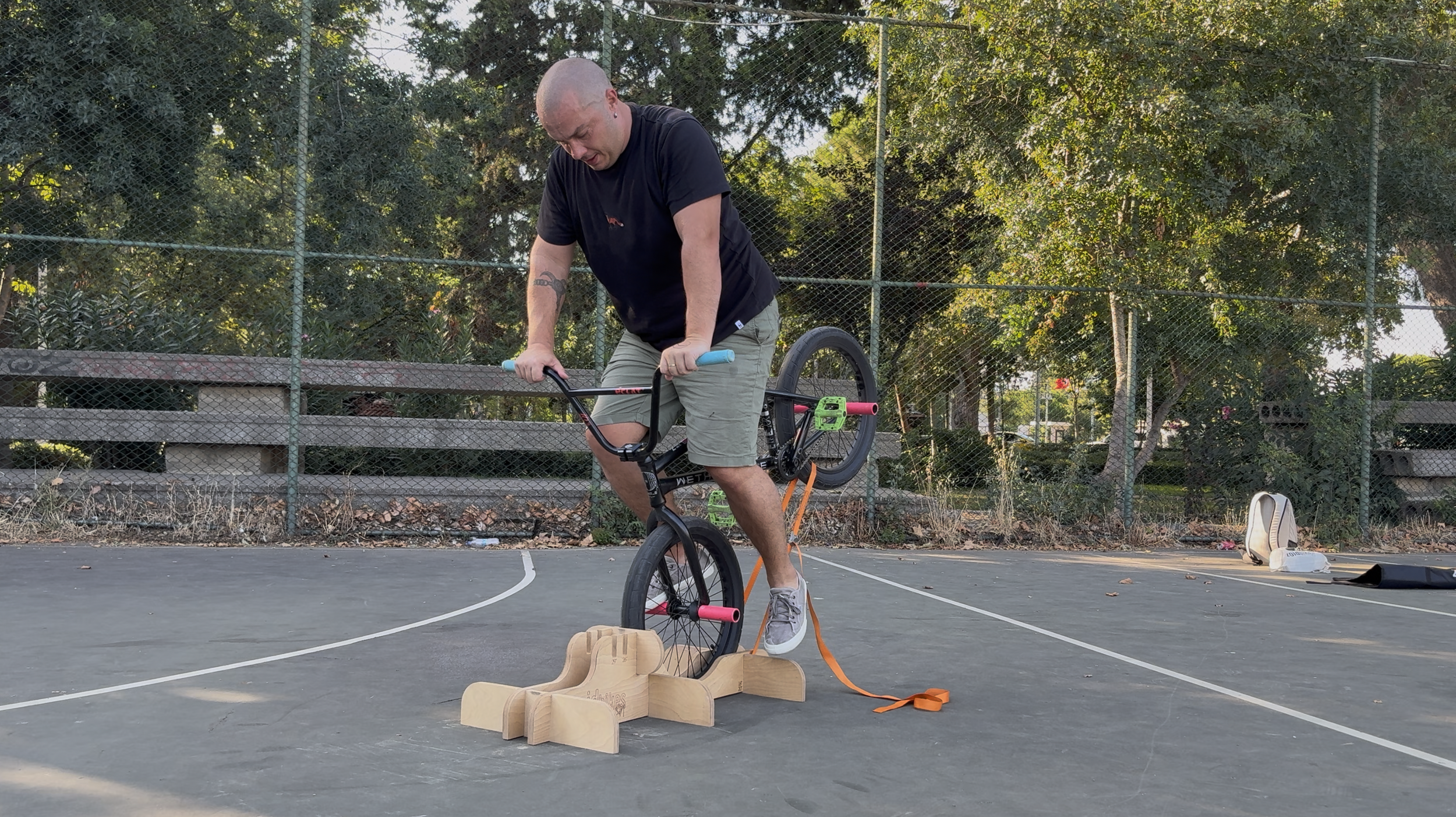
The equipment I needed for my own BMX training either didn’t exist or didn’t work the way I wanted it to.
What I did
I designed and prototyped a balance trainer for practising manuals, and a height-adjustable modular obstacle for practising bunny hops and ollies that safely comes apart when hit.
What it became
Once the products were finished, I reached an agreement with BMXTR, Türkiye’s only BMX brand, to sell them under their own brand.
Pigtail
Where it came from
While painting, I wanted an easier way to figure out how to mix the colour I needed using the paints I already had.
What I did
I designed and developed Pigtail to solve that problem for myself.
What it became
A standalone digital product that can be used today.
thePlace
Where it came from
I started thinking about the problem of an artwork being judged through the artist’s name, background, gallery, price or other surrounding information before the viewer has really had a chance to encounter the work itself. I realised how much valuable work we may be missing, both in Türkiye and globally, because of gatekeeping in the art market, and started thinking about how that could be challenged.
What I did
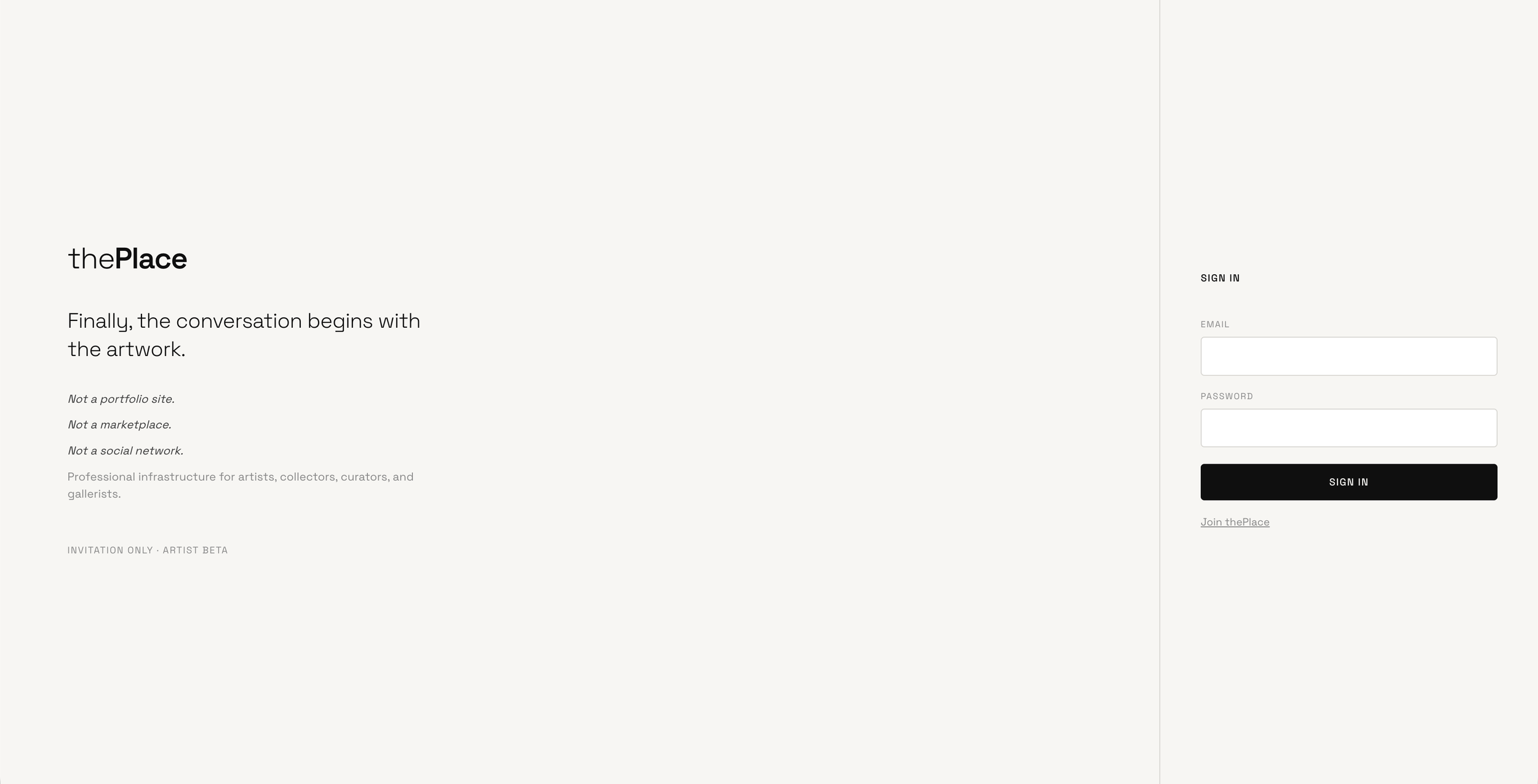
I designed a system where the first encounter is only about the artwork, and everything else enters the picture after the work has had a chance to speak for itself.
What it became
thePlace, a platform designed to give artists’ work a fairer first encounter with viewers, collectors, curators and galleries.
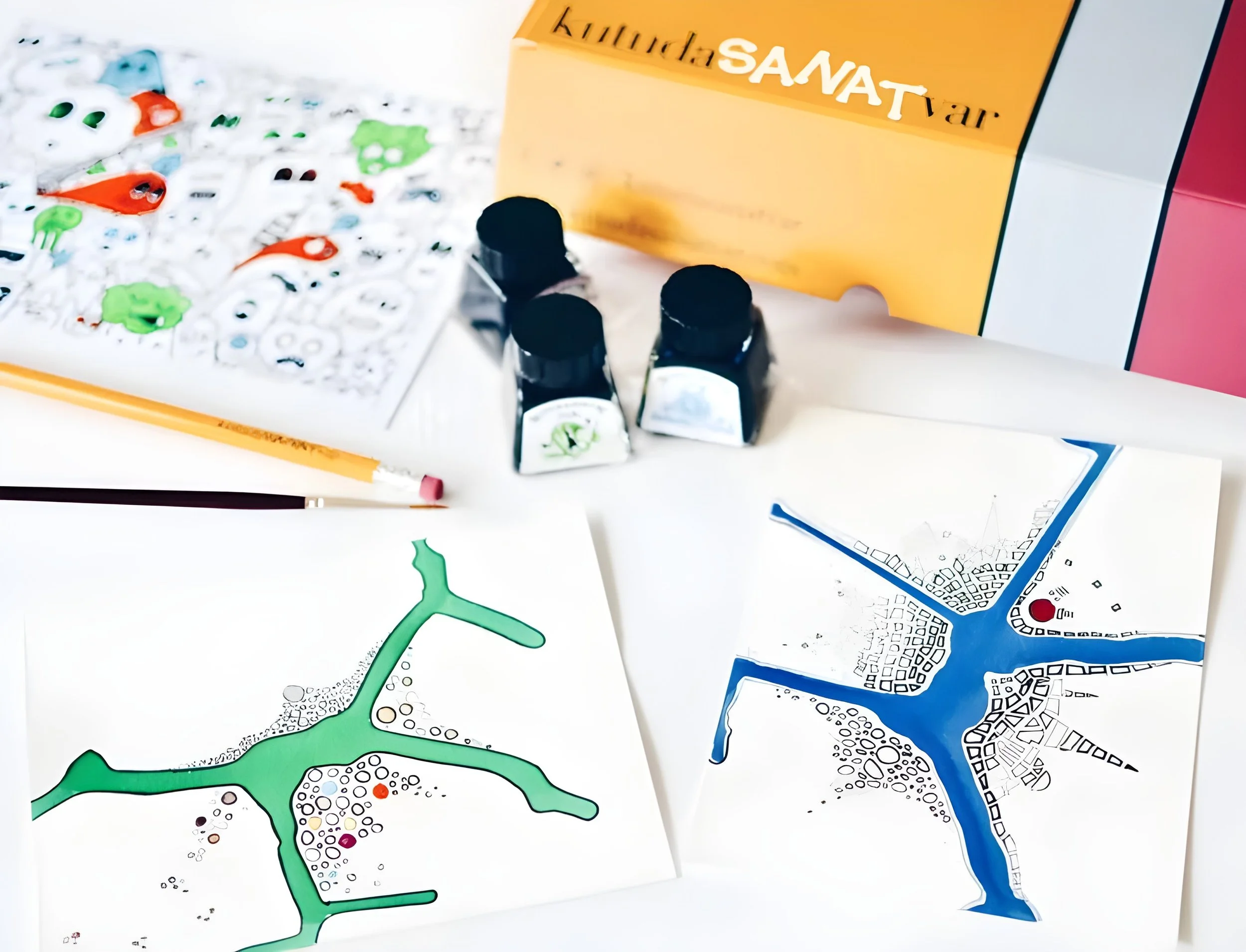
Kutuda Sanat Var
Where it came from
The idea of creating the conditions for more people to make art, while finding a more natural and accessible way to bring artists into people’s everyday lives.
What I did
I created Türkiye’s first monthly art-making subscription model and worked with more than 30 artists to offer their work in more accessible formats.
What it became
Kutuda Sanat Var, which I ran from 2016 to 2023 and which was selected by Ekonomist magazine as one of Türkiye’s 16 most valuable ventures.
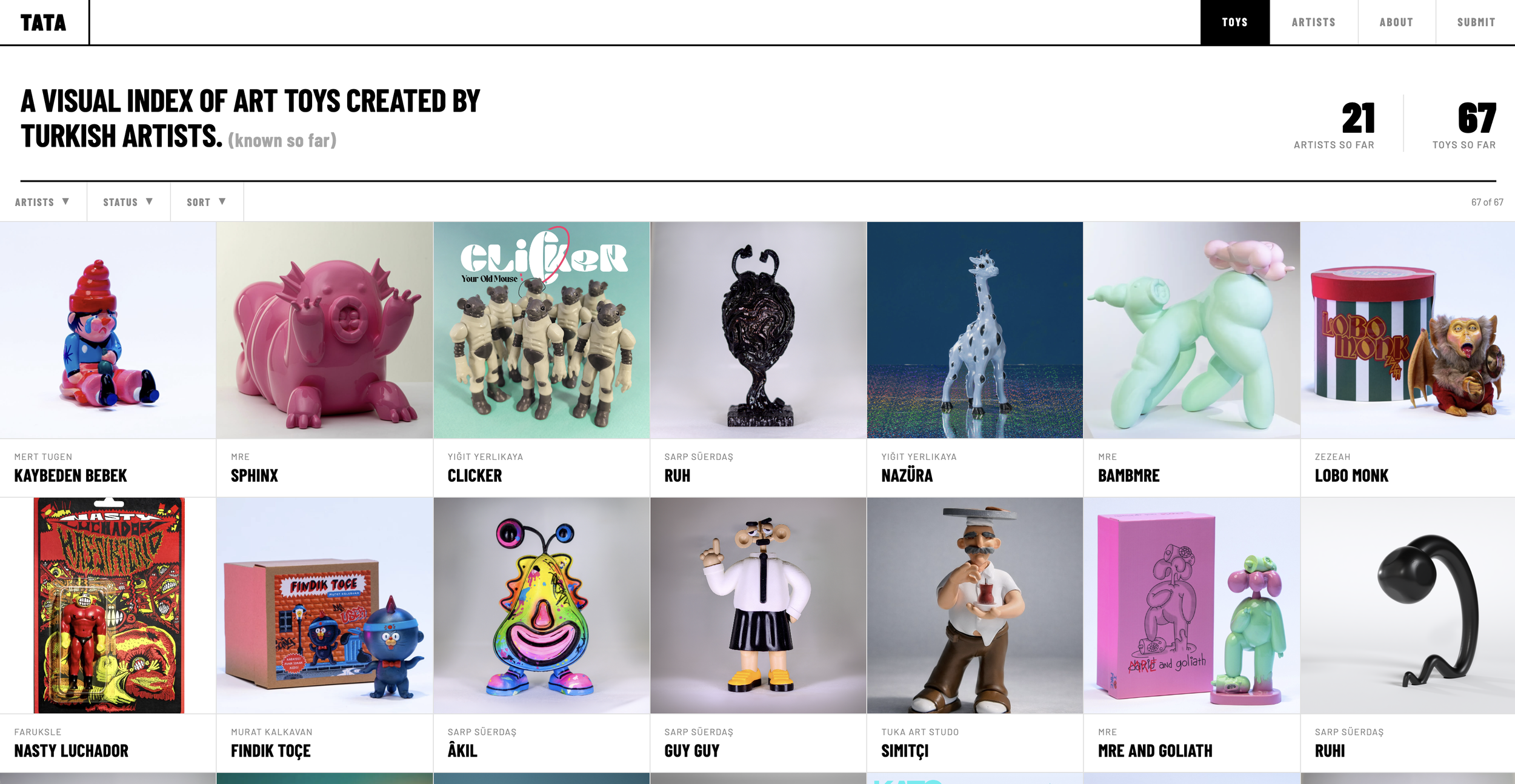
TATA — Turkish Art Toy Archive
Where it came from
I realised there was no independent resource bringing together art toys made in Türkiye and the artists who created them, while documenting the field from past to present.
What I did
I started researching art toy production and artists in Türkiye, documenting what I found within a structured system and building an archive that anyone could access.
What it became
Turkish Art Toy Archive, an independent, non-profit archive bringing together art toys created by Turkish artists.
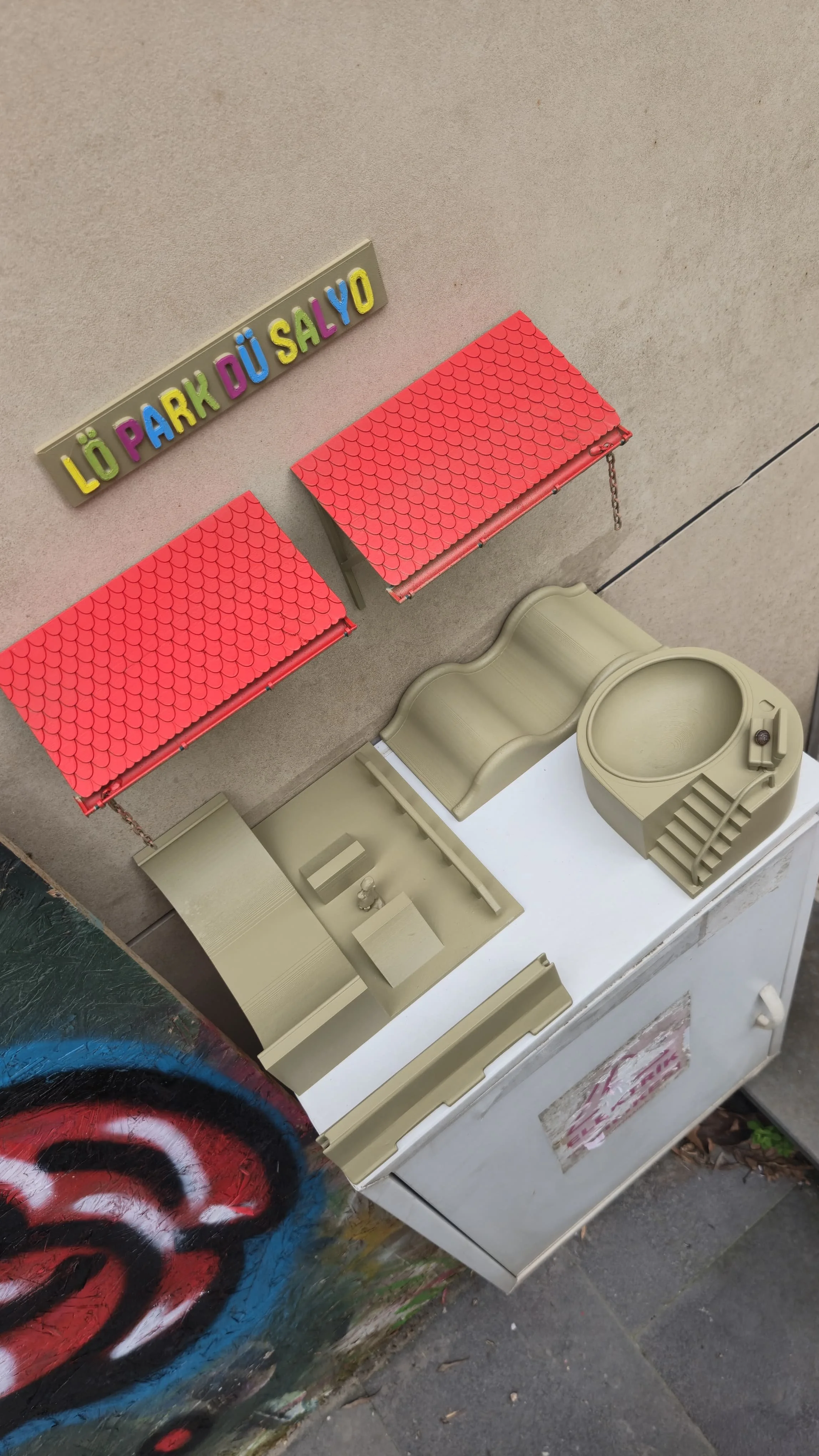
Lo Park du Salyo
Where it came from
I thought it would be funny if the snails living just outside my studio had their own little skatepark.
What I did
I designed a miniature skatepark, 3D printed it and placed it outside.
What it became
The snails got their own skatepark. They even have an Instagram account.
All of these projects are independent from one another and exist in completely different contexts, but they have one simple thing in common:
I had an idea, and I figured out, step by step, how to make it real.
What this would mean for your project
There isn’t one answer.
Sometimes it might mean turning a character you already have into a physical product. Other times, it might mean coming up with something for a brand that hasn’t been done before.
These are only examples. Your project doesn’t need to resemble any of them when we start. A big part of that first conversation is figuring out together what the idea could actually become.
Depending on the project, I can contribute at different stages: developing the idea, defining the creative direction, exploring possibilities with AI, drawing, visual development, 3D design, prototyping, material selection or figuring out how something can be produced.
Sometimes only one of these is needed. Sometimes several need to happen together.
What matters is figuring out where I can genuinely add value to the project and only getting involved there.
I want to see an idea that starts as nothing more than a simple sentence turn into something tangible, with a clear path to actually making it happen.
How we can work together
We start with a conversation — in person or online.
You tell me about your idea, and I’ll ask a lot of questions. Together, we’ll try to understand what you want to do, why you want to do it and where the project currently stands.
If we both think I can genuinely contribute to the project, we’ll define what we’ll do together and where my involvement begins and ends.
I prefer working on projects with a clear beginning and end. Once one project is complete, I’m always happy to work together again when something new comes up.
I take on a limited number of projects at a time so I can give each one the attention it deserves. Before deciding to work together, I’ll therefore consider both whether the project is a good fit for me and whether I have room for it in my schedule.
How pricing works
Every project is different, so I don’t think it would make sense to provide a standard price list here.
During our first conversation, we’ll clarify what you’re trying to do and where and how much I would need to be involved. This first meeting is simply for getting to know each other and understanding the project; it isn’t a paid consultation.
Before we start working, I’ll clearly define the scope, timeline and price.
Sometimes working together only on the idea and concept development is enough. Other projects may need to continue into 3D design, prototyping or figuring out the production method.
So the price depends less on the size of the project and more on the kind and amount of contribution you need from me.
If we decide to work together, I ask for 50% of the total fee at the start of the project and the remaining 50% when my part of the project is complete.
That way, before anything begins, we’re both clear about the scope, budget and our respective responsibilities.
Have something in mind?
If this sounds like something you’ve been thinking:
“We’ve imagined something, and we want to figure out the best possible way to make it real.”
Let’s talk.